Curious about the latest petrol prices in Saudi Arabia? Whether you’re planning a drive across the desert or just tracking fuel prices, they’ve stayed remarkably stable thanks to the government’s monthly reviews.
You’ll get the current Gasoline 91 rates, historical price trends, and what drives these prices forward.
Key Takeaways:
- 2024 prices: Gasoline 91 at 2.18 SAR ($0.58)/liter, premium at 2.33 SAR ($0.62)/liter. Lowest globally thanks to subsidies.
- Post-2016: Monthly adjustments by Aramco link to global oil benchmarks.
- Low prices cut transport costs. Boosts economy and affordability.
Current Petrol Prices in Saudi Arabia
Saudi Arabia offers super low fuel prices worldwide.
Saudi Aramco sets fixed rates for Gasoline 91, Gasoline 95, Gasoline 98, Diesel, and more at Aramco stations across Riyadh, Dammam, and Jeddah until April 2026.
Prices stay fixed until April 2026. This offers stability for drivers.
Everyday commuters enjoy fuel efficiency compared to world average.
Fuel often costs much more per liter elsewhere. Drivers save big versus world average per liter.
Pick 91 octane for standard cars like sedans.
95 octane suits vehicles needing better performance. 98 octane fits high performance engines in sports cars.
For example, a family Toyota suits PG91. A luxury BMW may require PG95 for optimal power.
Diesel at lower rates powers trucks and SUVs efficiently.
This structure ties into Vision 2030 goals. It balances national energy with global oil markets.
Current Prices
| Fuel Type | Price (SAR per liter) |
|---|---|
| Gasoline 91 | 2.18 SAR |
| Gasoline 95 | 2.33 SAR |
| Gasoline 98 | 2.55 SAR |
| Diesel | 1.79 SAR |
| LPG | 1.09 SAR |
| Kerosene | 1.59 SAR |
Compared to world average prices, Saudi rates make daily drives cheaper.
Cross-border travelers save on transportation fuels here at service stations.
2024 Price Tiers
In 2024, filling up at Saudi Aramco stations costs Gasoline 91 at 2.18 SAR per liter.
It’s a budget-friendly choice for most drivers.
Octane ratings matter for engine health.
Match octane to your engine. Use 91 octane in standard vehicles for smooth runs.
95 octane works in mid-range cars for improved acceleration. 98 octane prevents knocking in high-performance vehicles.
Check your car’s manual for the right octane rating to boost fuel efficiency.
A simple glance avoids damage. It cuts long-term costs on retail fuels.
diesel price sits at 1.79 SAR. It’s ideal for heavy-duty use.
LPG at 1.09 SAR and kerosene price at 1.59 SAR support other energy sources like cooking or heating.
Comparison with GCC Neighbors
Saudi Arabia’s prices in SAR stand out as more affordable compared to other GCC countries.
gasoline and diesel often cost notably higher per liter elsewhere, as shown in research findings from Statista on GCC fuel costs.
- Saudi Gasoline 91: 2.18 SAR/liter
- UAE: ~2.80 SAR/liter
- Qatar: Higher for premium
Drivers in UAE face higher rates for similar 91 octane or 95 octane fuels.
Qatar shows similar trends. Saudi is a better stop for cross-border travelers.
Businesses benefit from lower diesel costs for fleets.
Stations like TotalEnergies or Sahel offer alternatives with good value on service stations.
These price trends aid commuters. They tie into shifts toward natural gas and renewable energy.
Watch for potential price increase beginning April 2026 amid oil markets. Act fast!
| Country | Gasoline 91 (SAR/liter approx.) | Diesel (SAR/liter approx.) |
|---|---|---|
| Saudi Arabia | 2.18 | 1.79 |
| UAE | 2.80 | 2.20 |
| Qatar | 2.50 | 2.00 |
Historical Price Trends
Fuel prices in Saudi Arabia have evolved significantly over the years.
They shifted from heavy subsidies to market-linked adjustments.
This change reflects broader efforts under Vision 2030 to promote sustainability.
It diversifies energy sources. Early policies kept prices low to boost economic activity and support consumers.
Major shifts began in the mid-2010s. This moved toward alignment with global oil markets.
Key changes include the initial subsidy cuts. Later came quarterly reviews for gasoline 91, gasoline 95, and diesel price ([Trading Economics data](https://tradingeconomics.com/saudi-arabia/gasoline-prices)).
- Pre-2016: Heavy subsidies dominated, making fuel nearly free.
- 2016 onward: First major adjustment tied prices to international benchmarks.
- 2018: Introduction of quarterly pricing updates by Saudi Aramco.
- Recent years: Greater stability with focus on fuel efficiency and renewables.
Pre-2016 Subsidy Era
Pre-2016, heavy subsidies made fuel nearly free.
They boosted SUVs and high use. Heavy subsidies strained budgets back then.
Vision 2030 reforms pushed for better efficiency now.
Post-2016 Deregulation Phases
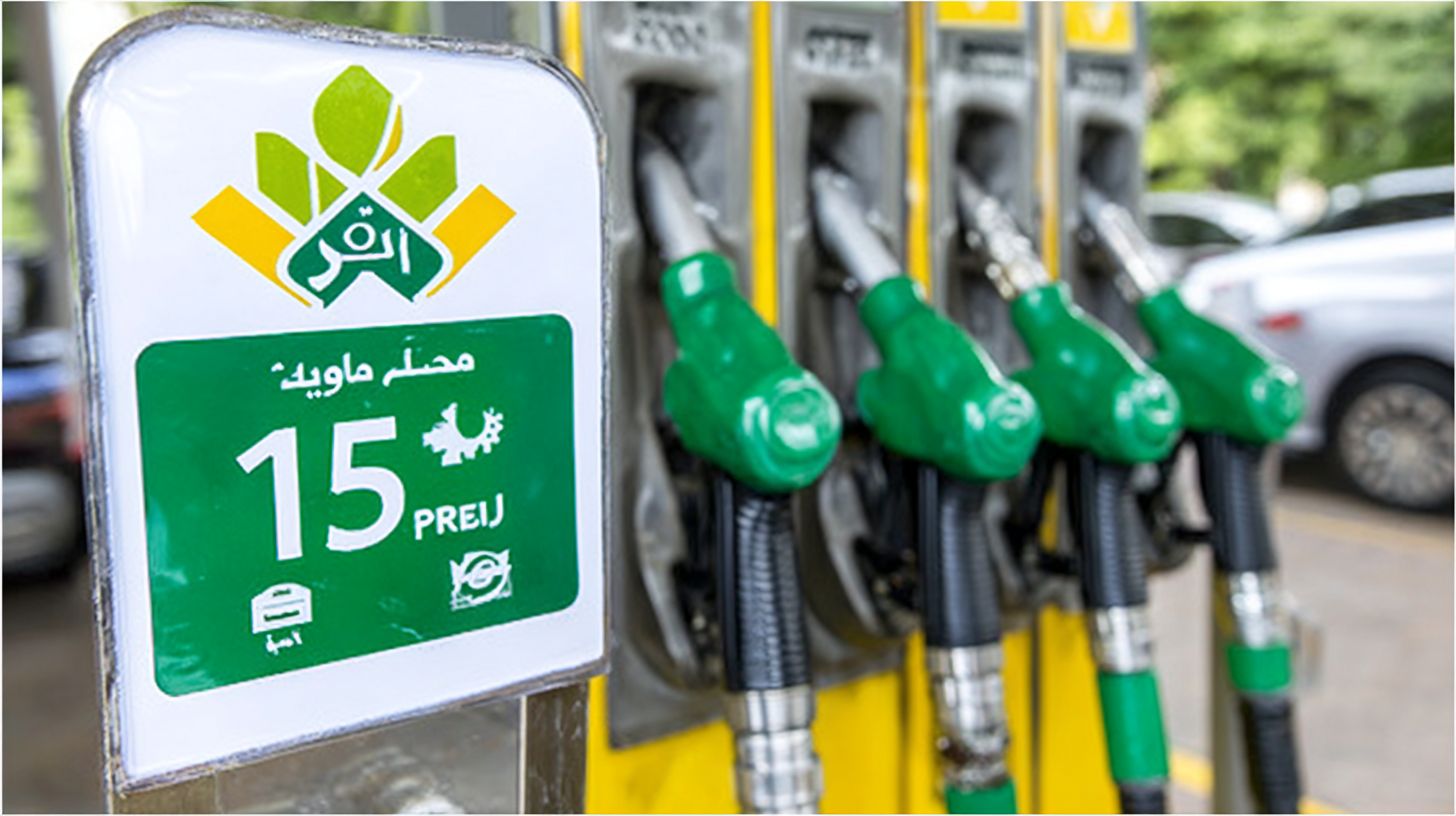
Since 2016, phased deregulation tied prices to global oil markets.
It introduced gradual hikes for gasoline 91, gasoline 95, and diesel.
Key phases unfolded as follows:
- 2016: Ended fixed subsidies at Aramco stations.
- 2018: Started quarterly updates tied to world prices.
- Later: Stabilized LPG, kerosene, diesel.
- Now: Pushes natural gas shift.
Drivers adapt with better efficiency.
Monitor stations and maintain cars. This supports energy diversification.
Government Pricing Mechanism
Saudi Arabia’s pricing blends government oversight with market realities.
It’s reviewed regularly to balance consumer needs and economic goals.
This system aligns with Vision 2030 by promoting fuel efficiency.
It shifts toward natural gas and renewable energy sources.
Prices for gasoline 91, gasoline 95, and diesel stay predictable through quarterly mechanism adjustments.
The quarterly mechanism starts with monitoring global benchmarks.
It ends with announcements that keep drivers informed.
For example, if international crude prices rise, adjustments ensure price increases remain gradual.
This avoids shocks at the pump. It supports national energy goals while maintaining affordability.
Consumers in Riyadh or Jeddah benefit from this stability.
They plan budgets around steady gasoline price trends.
The process caps hikes to protect households and businesses reliant on transportation fuels.
Experts recommend tracking these reviews to anticipate changes like those beginning April 2026.
Overall, this blend keeps Saudi Arabia’s petrol prices below the world average.
It encourages use of high-octane options for better performance.
It ties into broader efforts for energy sources diversification, including LPG and jet fuel pricing.
Drivers enjoy reliable costs at service stations nationwide.
Monthly Review Process
The government conducts monthly reviews.
It announces quarterly prices for gasoline, diesel, and LPG to reflect market conditions.
This keeps fuel prices in Saudi Arabia responsive yet stable.
Prices typically set at the end of each quarter. This gives about three months’ notice.
The process follows clear steps:
- Track global crude, products.
- Check local refining, distribution.
- Cap for affordability.
- Announce officially.
For instance, if oil markets fluctuate, reviewers factor in impacts on Gasoline 91, Gasoline 95, and Gasoline 98.
This predictability helps families budget for diesel price or kerosene price needs.
Check Saudi Aramco’s site or app regularly for the latest.
Updates come quarterly. Stay ahead on trends.
Role of Saudi Aramco
Saudi Aramco dominates as the main supplier.
It sets retail fuels prices at thousands of Aramco stations nationwide.
The company refines octane gasoline options like 91 octane, 95 octane, and 98 octane for various vehicles.
It distributes to service stations in Riyadh, Dammam, and Jeddah. This ensures wide access.
Aramco’s role extends to monitoring price trends aligned with government reviews.
Stations offer retail fuels at set SAR per liter rates, often below global averages.
For example, diesel or gasoline prices remain steady. Updates come like those for April 2026.
Action tip: Use the Aramco app to find the nearest station in Riyadh, Dammam, or Jeddah.
Access loyalty perks. It shows real-time price in SAR for 1.79 SAR diesel or 1.09 SAR LPG options.
Factors Influencing Prices
Several forces shape Saudi Arabia‘s fuel prices.
They range from international benchmarks to local policies promoting energy diversification.
Global crude oil prices set the foundation.
Domestic decisions by Saudi Aramco adjust retail costs for gasoline 91, gasoline 95, gasoline 98, and diesel.
These elements create predictable yet variable trends at Aramco stations.
Government strategies under Vision 2030 push for less reliance on oil revenues.
This includes gradual price increases beginning in April 2026. It encourages shifts to natural gas, renewable energy, and improved fuel efficiency.
Such policies balance affordability with long-term national energy goals.
Local factors like demand for high performance vehicles and transportation fuels like LPG also play a role.
Higher use of 98 octane gasoline or jet fuel can influence overall price trends.
Monitoring these helps drivers anticipate changes in price per liter denominated in SAR.
Other products such as LPG, Kerosene price follow similar patterns.
Experts recommend staying informed on octane rating options and service stations pricing.
This manages costs effectively against the world average.
Global Crude Oil Prices
Global crude oil prices shake gasoline 91, 95, 98, and diesel costs in Saudi Arabia.
Brent crude spikes from supply issues push pump prices up fast.
The U.S. Energy Information Administration’s spot prices data shows how tensions in oil regions trigger quick hikes in SAR per liter.
Saudi Aramco ties retail fuel to global benchmarks for steady prices.
Oil drops cut SAR per liter for 91 or 95 octane.
Drivers see savings on refills, especially for 98 octane cars.
Track oil markets with apps like Bloomberg to spot shifts.
Act now to brace your budget for price jumps.
Pair it with fuel-saving tips like vehicle tune-ups to make every SAR count.
Beat volatility by switching to alternative energy.
Grab hybrid cars or natural gas under Vision 2030.
Cut risks from gasoline and diesel swings to control transport costs.
Consumer and Economic Impact
Fuel prices hit daily life in Saudi Arabia hard.
They affect your commute in Jeddah and spark big economic shifts.
Households feel rising costs at Aramco stations for gasoline 91, 95, or 98.
These add up fast for school runs and shopping.
Price hikes starting April 2026 slam logistics across the Kingdom.
Businesses raise diesel costs, hiking goods prices for all.
Effects on Transportation Costs
Fuel rises from 2026 jack up transport costs for drives and deliveries.
Check your hit: Price a 50-liter tank at new rates for 91, 95, or 98 octane.
Times your weekly fills for the monthly SAR shock.
Boost efficiency with clean air filters and right tire pressure.
Ditch speeding and hard acceleration to save fuel on highways.
- Check engine oil levels monthly to prevent inefficiency.
- Plan routes to cut idle time in city traffic.
- Consider hybrids for long-term savings on high-mileage commutes.
Vision 2030 pushes LPG, kerosene from TotalEnergies or Sahel, and jet fuel.
These match national goals amid wild global oil trends.
Frequently Asked Questions
What is the current Petrol Price in Saudi Arabia?
Government and Saudi Aramco set Saudi Arabia petrol prices.
Q3 2024 quarterly rates: Octane-91 at 2.18 SAR/liter, Octane-95 at 2.33 SAR/liter, Diesel at 1.79 SAR/liter.
Check Aramco for live updates.
How often do Petrol Prices in Saudi Arabia change?

Every three months, Ministry of Energy and Saudi Aramco tweak prices.
They mirror global oil markets, production costs, and economy for steady life.
Why are Petrol Prices in Saudi Arabia so low compared to other countries?
Huge oil reserves, subsidies, and local production keep prices low, like 2.18 SAR.
Government holds them affordable to boost economy and living standards.
What are the different types of petrol available and their prices in Saudi Arabia?
- Octane-91: 2.18 SAR/liter
- Octane-95: 2.33 SAR/liter
- Octane-98: 2.55 SAR/liter
- Diesel: 1.79 SAR/liter
Uniform at Aramco stations nationwide.
Do Petrol Prices in Saudi Arabia vary by region or city?
No variation from Riyadh to Jeddah or Dammam.
All stations follow Saudi Aramco rates.
How does the government decide Petrol Prices in Saudi Arabia?
Ministry of Energy uses crude benchmarks, refining, distribution costs.
They cut subsidies slowly while keeping fuel cheap for cars and business.